Design note · Competition robotics
WHY RELIABILITY BECAME MORE IMPORTANT THAN RAW SPEED
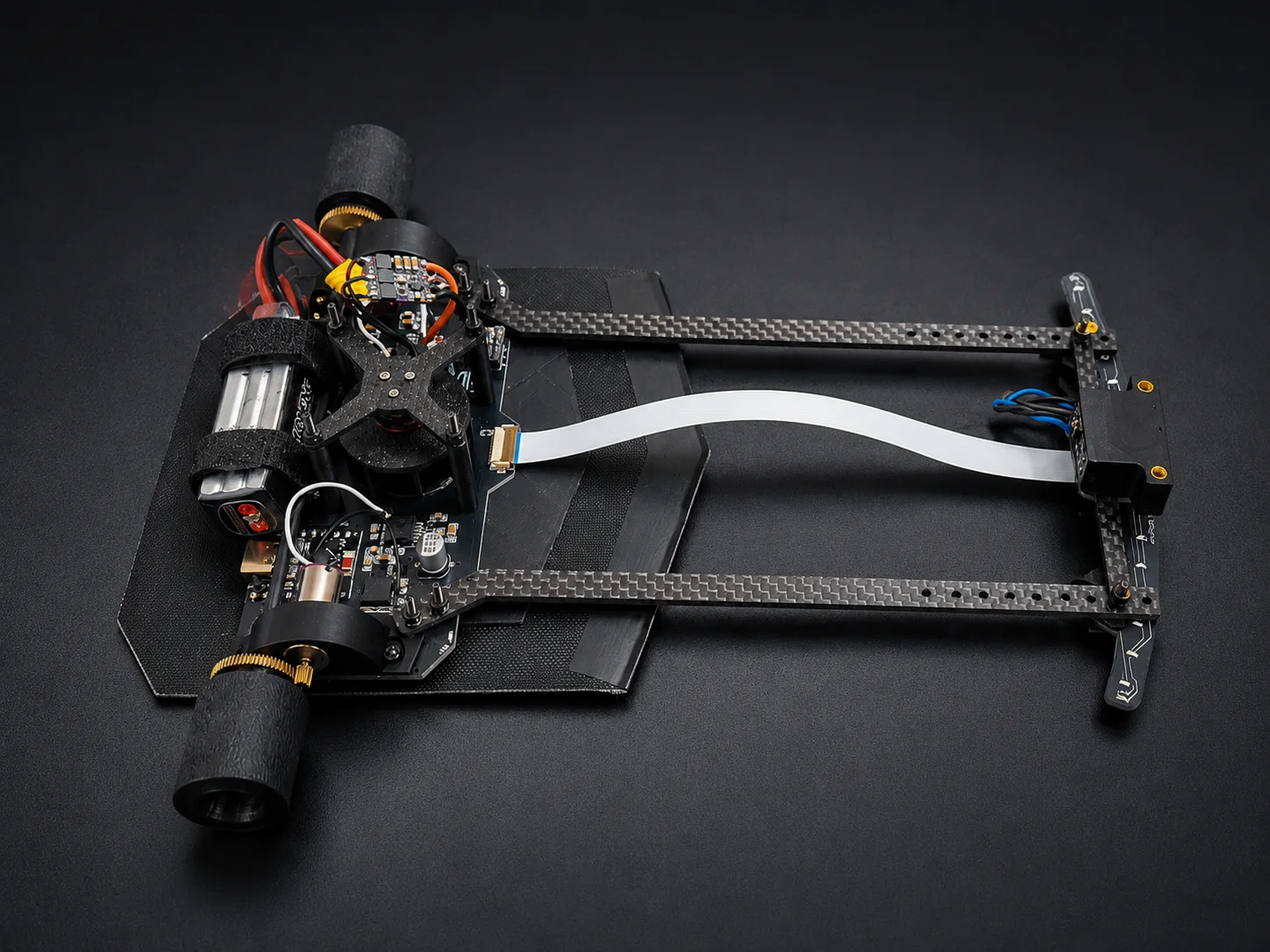
For a long time, I always wanted the robot to be faster. Competition changed how I think about performance.
A very fast robot that fails one in five runs is not always better than a slightly slower robot that finishes every time. Practice allows restarts; a competition may offer only one or two official attempts.
I began paying closer attention to cable connections, battery voltage, motor temperature, sensor noise, mechanical play, calibration and software edge cases.
Testing for trust
One perfect run is no longer enough. I want the same result ten, twenty or fifty times. If something fails once, I want to know why.
The real challenge is achieving both speed and reliability—but if I must choose, reliability usually wins.